Sealcoating vs Repaving: Which One Do You Need?
Discover the pros and cons of sealcoating vs repaving. Learn which driveway solution is right for longevity, cost, and surface protection.
Is your driveway merely looking its age, or is it screaming for a total overhaul? When asphalt begins to show its age, you’re often left with two options: sealcoating or repaving.
But how can you determine which one is best for your case? One is an affordable maintenance measure that prolongs the life of your driveway. The other is a complete replacement that addresses deeper structural problems. Both have their uses, but doing the wrong one can be a time and money waster.
In this blog, we’re going to break down everything you should know about sealcoating vs repaving, and how they’re done, when they should be applied, how much they cost, and which one offers the best return on investment.
What Is Sealcoating?
Sealcoating is like putting sunscreen on your driveway; it doesn’t fix damage, but it protects what’s already there. This thin layer of liquid coating is applied over the top of your existing asphalt to help guard against water penetration, UV rays, chemicals, and wear.
Pros of Sealcoating
- Cost-effective: It typically costs a fraction of what repaving does
- Improves appearance: Makes your driveway look new and well-maintained.
- Weather-resistant: Prevents damage from the elements.
- Slows oxidation and weathering.
- Rapid application: Work is completed in a matter of hours and is ready for use in a day or two.
Cons of Sealcoating
- Not structural repair: Will not repair significant cracks, potholes, or extensive damage.
- Temporary measure: Must be reapplied every 2–4 years.
- Surface-level treatment: If your base is damaged, sealcoating will not repair underlying problems.
What Is Repaving
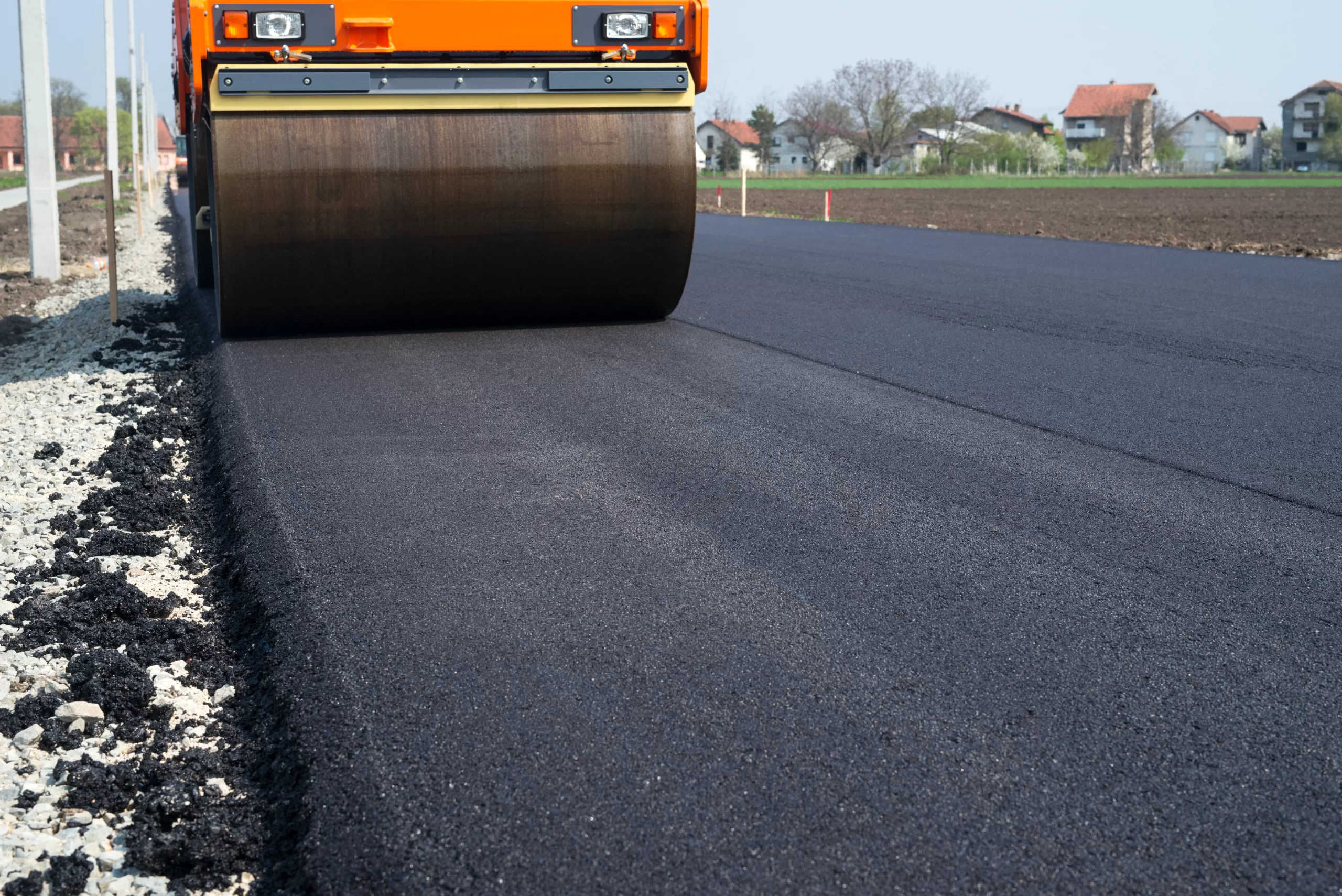
Repaving is just what it sounds like: tearing out and replacing the existing asphalt layer (and occasionally the base that lies underneath) with new. It’s a more comprehensive, longer-term solution for structurally impaired or worn-out driveways.
Pros of Repaving
- Results last a long time: A well-repaved driveway will last 15–25 years if properly maintained.
- Repairs all damage: Best for driveways with big cracks, potholes, drainage problems, or uneven surfaces.
- Increases property value: Contributes to curb appeal and improves the resale value of your home.
Cons of Repaving
- Costly: Can be several thousand dollars based on size and complexity.
- Time-consuming: Takes multiple days to cure and finish.
- Really annoying: Heavy machinery tearing up your property in the process.
Choosing Between Sealcoating and Repaving: What You Need to Know
To choose between sealcoating and repaving your driveway, you must find out its current state and future expectations. The ideal decision will not only save your investment but will also spare you the hassle and cost in the long term. The following are the key considerations in choosing between sealcoating and repaving your driveway:
1. Age and Condition of Your Driveway
If the current driveway is fairly new and healthy, with hardly any surface wear or fading, it should be sealcoated. Sealcoating prevents moisture entry as a buffer, thereby protecting the asphalt against UV degradation, stopping chemical stain entry, and adding additional years to its lifespan.
Conversely, however, in the event that there are indications of deeper problems, such as huge cracks, potholes, disintegrating edges, or many dips and mounds showing structural damage, then repaving is the only option to reclaim the integrity of the driveway and prevent any further damage.
2. Budget Considerations
Sealcoating is more affordable upfront and provides a cost-effective way to maintain your driveway’s appearance and durability. It’s ideal if you’re looking for a short-term fix or preventive care.
Even so, fixing and repairing a cracked and weary driveway is not a cheap operation. At the beginning, repaving costs more, yet it often saves you enough on repairs to make it a better choice in the long term.
3. Short-Term vs. Long-Term Objectives
When you sealcoat, you are performing preventive maintenance, rather than making the surface last. The coating needs to be put on again every 2 to 4 years if you want to keep your driveway protected.
Although repaving takes more time and money initially, it lasts much longer, about 15 to 25 years longer than replacing the pavement. If you want a driveway that looks good for years and doesn’t need much repair, it’s usually wise to choose repaving.
4. Usage and Traffic Volume
Driveways with high daily usage, like those for multiple vehicles or business use, wear out quicker. High-traffic driveways tend to need more maintenance, which means sealcoating may need to be applied more frequently, and repaving may be imminent sooner than for lighter usage driveways.
5. Weather and Environmental Conditions
The way your driveway ages is heavily affected by the kind of weather your area gets. Areas with cold winters with freeze-thaw cycles, heavy rain, or strong sunlight can lead to asphalt decay.
Because of these conditions, sealcoating protects the pavement but may have to be added more regularly. When the weather has badly damaged your driveway, consider repaving.
How to Decide: Sealcoating or Repaving?
Here’s a quick decision guide based on your driveway’s condition:
| Driveway Condition | Recommended Option |
| Minor surface cracks, fading, or light wear | Sealcoating |
| No major drainage issues, just looks aged | Sealcoating |
| Large cracks, potholes, or crumbling edges | Repaving |
| Uneven surface, pooling water, or structural damage | Repaving |
| The driveway is over 15 years old, with frequent issues | Repaving |
Cost Comparison: Sealcoating vs. Repaving
Knowing costs enables you to budget wisely for driveway maintenance.
Sealcoating can run anywhere from $0.10 to $0.30 per square foot. A cheap maintenance procedure that does a lot to defend your driveway, but has to be repeated every few years.
Resurfacing is anywhere from $1.50 to $3.00 per square foot. While more expensive initially, it fixes cracks and can add 10 to 15 years to your driveway’s lifespan, making it a worthwhile long-term investment.
Briefly, sealcoating is an inexpensive means of upkeep, whereas resurfacing provides long-term repair and durability.
Wrapping Up
Both repaving and sealcoating are important in keeping your driveway, parking lot, or road healthy and looking good. The best option depends on the condition and age of your pavement and your budget.
Sealcoating is an affordable means of covering your asphalt and its eventual replacement, buying time until a more costly repair can be made. Repaving, however, is a wise investment when your pavement has extensive damage or wear that sealcoating cannot rectify.
At Noble Paving, we consider each pavement project different and analyze your exact needs carefully. Our team is dedicated to working with you to choose the solution that guarantees your roofs are strong, functional, and attractive. Get in touch with us immediately to discuss your needs, and we will offer superior paving services to maintain your property for years.
Want more tips like How to Maintain Your Asphalt Driveway Year-Round? Learn more about Noble Paving on our Homepage, meet the team on our About Us, or discover all our Services. Ready to start? Contact us today!